Friends & Social Life
My Friend Posted a Photo of Me Without Asking. How Do I Ask Them to Remove It?
A photo from yesterday appears in your feed, and you are in it. Your friend seems happy with the post; you want it gone. You can make a specific removal request without first proving that you look bad in the picture or deciding the whole future of the friendship.
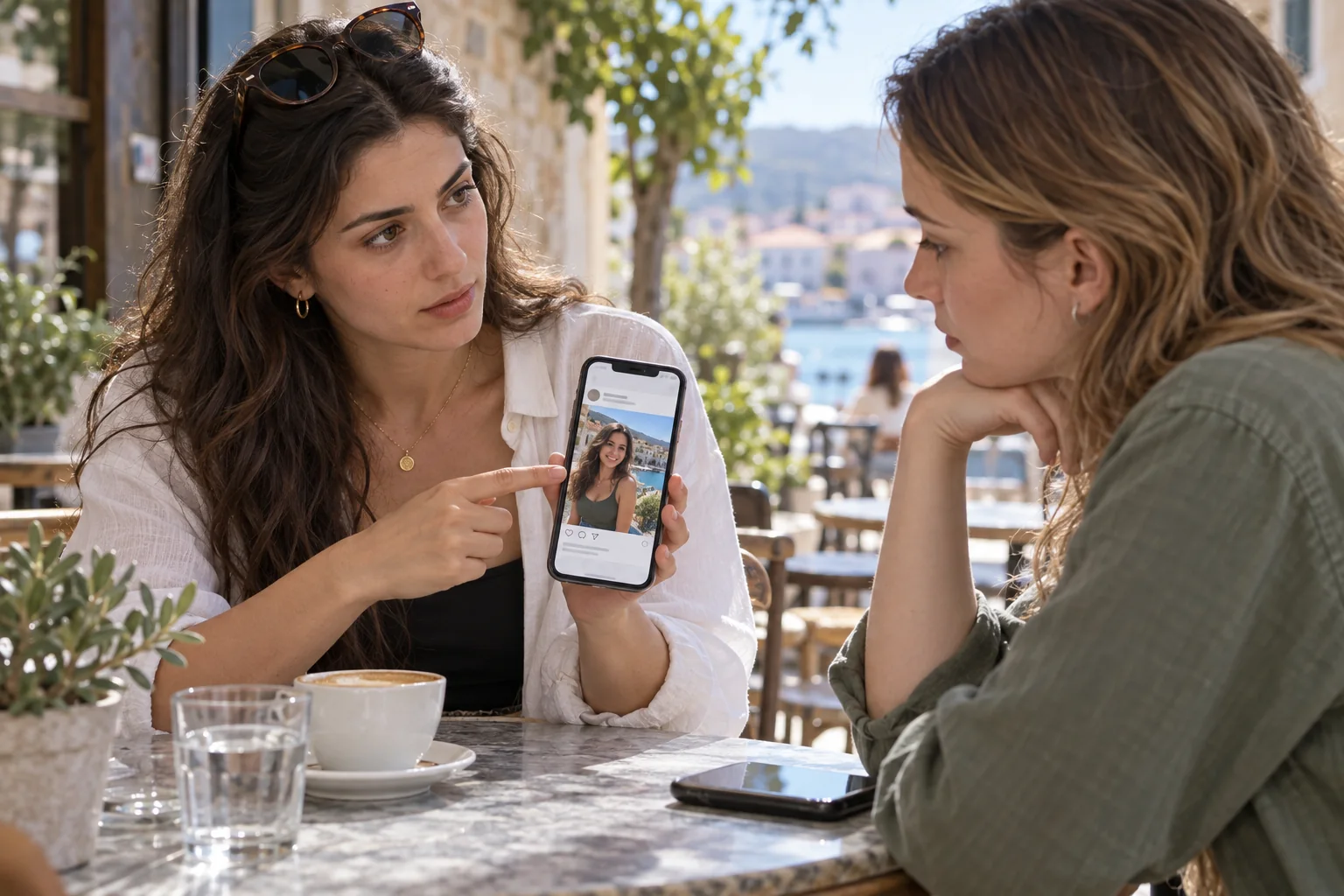
For an ordinary photo posted by a friend, identify the post privately and ask for the action you want: “Please remove the photo of me from yesterday’s post and let me know when it’s done. I don’t want it online. Please check with me before posting pictures of me in future.” Removing a tag may not remove the photo. You can explain your reason briefly if you choose, but you do not need to accept a compromise that leaves the image visible when your request is to remove it.
Decide what you want changed in this post
Look at what is actually there: a single picture, one image in a larger post, a video, your name in a caption or a location tag. Your concern might be the image itself, where you were or the association with a particular event. A clear request starts with the element you want changed.
If you want the photo removed, ask for removal rather than saying only “I don’t like it”. If you would genuinely be comfortable with a replacement picture that does not include you, say that. You do not need to offer cropping, blurring or a smaller audience just to make the request sound easier to accept.
Keep different changes separate. Removing a name tag may reduce the connection to your profile while leaving the original picture online. Hiding a post from your own profile is also different from removing it from the account that posted it. Check what the platform’s actual setting does before treating it as the change you wanted.
You know your friend published the image. Unless they have told you, you may not know why they did not ask. An assumption that you would be comfortable and a deliberate decision to ignore a stated preference call for different follow-up conversations. You can request removal before resolving that uncertainty.
Send a direct private request
Give enough detail for your friend to find the post without sharing it more widely. A private link or a reference such as “the group photo in yesterday’s birthday post” can be enough. Avoid reposting the image publicly to explain that you wanted privacy.
A brief message can do the job: “Could you remove the group photo where I’m standing by the door? I don’t want pictures of me posted online. Please let me know once it’s removed.” If you need a caption or location removed too, include that specific request.
You can acknowledge the occasion if it feels natural: “I enjoyed the evening. I’d still like that photo taken down.” Enjoying the event, agreeing to stand for a picture and agreeing to its online publication are different things to discuss. You do not have to withdraw from the friendship to express this preference.
If you choose to give a reason, keep it within the privacy you want: “I keep my photos offline” may be sufficient. You do not need to disclose a personal difficulty, a work situation or someone else’s private information to make your request understandable. Ask for confirmation so you can see whether the practical change happened.
Respond when they say it is only a photo
“But you look great” answers a different question. You can say, “I’m not asking you to reassure me about how I look. I don’t want this picture online. Please remove it.” If appearance is part of the concern, you can say so; it still does not need to become a debate about which of you judges the image correctly.
If they say hardly anyone has seen it, return to the action: “I understand you don’t see it as a big issue. I still want it removed.” You do not need to estimate its audience to decide what you want to ask. Equally, a small audience or a deleted post cannot establish that nobody saved or shared a copy.
If they say they meant to include you, acknowledge that explanation if you accept it: “I understand you wanted to share the evening. Please use a picture without me.” Intention may help explain the event, but it does not complete the requested change. Keep the removal request visible instead of arguing about whether they are a good person.
Agree what asking first means next time
After dealing with this post, specify the future arrangement. “Ask before posting” can mean showing you the actual image and saying where it will be shared before uploading it. If names or locations matter, include those. An answer about one picture should not quietly become permission for every later picture.
You might prefer no online pictures of you at all. Say that directly rather than offering to review each one when you do not want that responsibility. If you enjoy private keepsakes, you can explain that you are comfortable with a photo for a personal album but do not want it published.
At a future gathering, a short reminder can help: “I’m keeping pictures of myself offline, so please leave me out of anything you plan to post.” You can step out of a group picture intended for publication. You do not have to offer to take every photograph or manage everyone’s account to maintain the preference.
If your friend removes the image and checks before the next post, that is useful follow-through. You can thank them without withdrawing the request or calling yourself oversensitive. If your preference changes later, communicate the change rather than expecting people to infer it.
If they leave the image up
Clarify once if the answer was vague: “Has the photo itself been removed, or only the tag? I’m asking for the photo to be taken down.” If they explicitly refuse, repeating the same explanation indefinitely may not change the response. Notice the refusal as information about this agreement without inventing a diagnosis or motive.
You can review your privacy and tag settings, avoid future photos intended for publication and consult the platform’s current reporting or privacy-help process. Describe the actual issue accurately. A report is a request for review, not a guarantee that a platform will remove an ordinary photo. This article cannot decide legal rights or provide a universal takedown route.
When the larger issue is that private information you shared in confidence has travelled to other people, the guide to a friend disclosing a confidence addresses finding out what was shared and deciding future access. Here, your immediate request concerns an identifiable image already posted online.
When an ordinary conversation is not enough
Intimate images, threats, blackmail, stalking, a location that puts someone at risk or images involving a child’s safety need appropriate specialist help. Do not rely on a better-worded friendship message or wait for an apology when protection is the immediate concern. Use the relevant platform process and trusted local support; seek urgent local help if there is immediate danger.
For example, eSafety’s guidance on sharing photos and videos distinguishes ordinary permission requests from online abuse and image-based abuse. Its reporting routes have their own eligibility requirements. Choose support for your actual situation and location rather than assuming a general article can assess the risk or guarantee deletion.