Environment & home
I Moved to a New City and Feel Lonely. What Should I Do First?
You know the route to the supermarket but still have nobody nearby to text on a quiet Saturday. A move can put people around you before it gives you anyone who feels familiar.
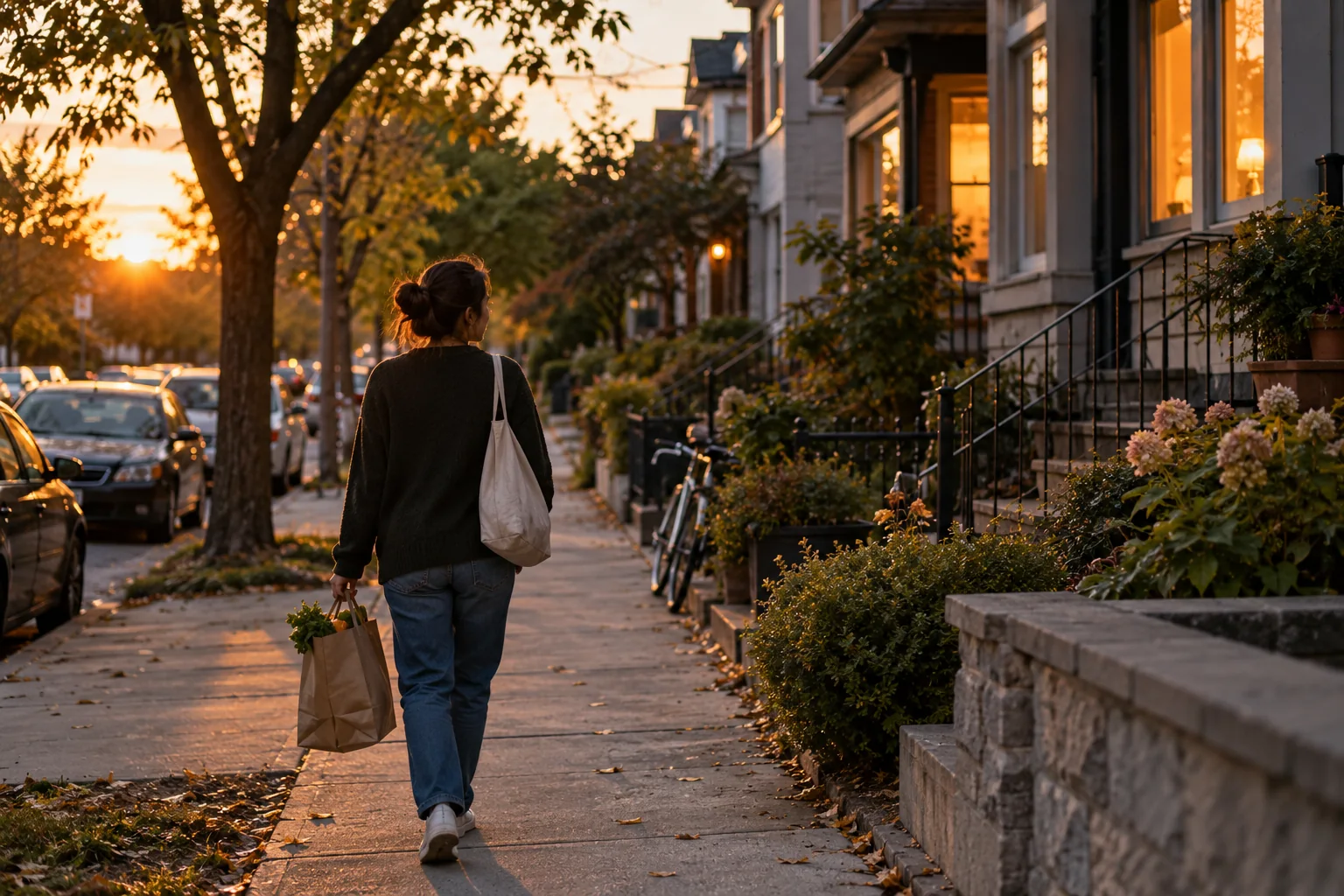
If you have moved to a new city and feel lonely, begin with one moment that tells you what is missing. You may need contact with people you left behind, a familiar local routine, or a way for a new acquaintance to become someone you see twice. You do not have to replace old relationships or collect a calendar full of activities to begin feeling more connected.
A crowded city can still leave several kinds of empty space
When is the loneliness sharpest? Maybe it is after work, when you used to drop by a friend's home. Maybe it is a weekend in a flat that still feels temporary. Or you have met plenty of people at work but the conversations always end at the office door. These moments point to different needs: a particular relationship, a dependable rhythm, a sense of place, or continuity with someone local.
Choose one, rather than setting yourself the impossible task of “making a life here” by next month. If your phone is full of contacts but you miss being known, another crowded event may not address that. If you have someone to call but cannot find a comfortable route home, place familiarity deserves attention too.
You can miss your people without moving backward
Name the person or kind of exchange you miss. Was it a friend who knew the whole story, a neighbor you saw in passing, or the family meal you could join without arranging it weeks ahead? A short regular call with one person may preserve more than an ambitious promise to “keep in touch with everyone.” Put a possible time on the calendar, while leaving room for both of your lives to change.
Old relationships cannot do everything a local relationship does; they also do not have to be discarded as proof that you have settled in. If a visit is possible, it can be a real connection, not a verdict on the new city. The question is how to carry those ties into this week while making space for what can grow nearby.
Look for a second meeting, not an instant friend
A pleasant chat in a lift, class or workplace is a beginning with no guaranteed sequel. Think of one setting you can return to at a pace that fits your time and energy: a particular lunch with a colleague, the same community gathering, a regular walk with a neighbor. The point is the opportunity to recognize and be recognized again, not membership in an impressive number of clubs.
After a good conversation, a modest invitation can create continuity: “I liked talking with you about the neighborhood. Would you want to get coffee next week?” If they decline or do not offer another time, let that contact stay where it is. One person's availability is not a measure of your worth. If you repeatedly meet people but every contact stops after the first occasion, change the conditions for meeting again rather than simply adding more first encounters.
Let a small route become yours
Belonging is also practical. Find a route you can repeat without planning an outing: from home to the bakery, a bench, a library, or a place to sit for a few minutes. Go at a time that works for you. Learning who opens early and where the light falls in the evening can make the city less anonymous before you have close friends in it.
Make one corner of your home work for an ordinary day: somewhere to put your keys, cook a meal or rest. You do not need to furnish a new identity. A familiar route and a usable home will not replace human connection, but they can make it easier to return to the same people and places. Notice which of those changes makes a lonely hour a little more livable.
If you did not choose the move
A relocation for someone else's work, family circumstances or necessity can bring loneliness together with anger at having lost your say. You do not need to call the city wonderful before you can name that loss. Ask what choice is available to you now: a protected time to call your people, a place you visit on your own terms, or a conversation with those you moved with about what has been hard.
If housing is unsafe or basic needs are at risk, practical local help takes priority over a settling-in exercise. And if isolation has become persistent and is seriously affecting daily life, tell someone you trust and consider appropriate professional support. There is no fixed date by which a new city must feel like home.